1. Make the vehicle safe
Nobody sits inside. The crew sets up protection and puts on gloves, eye protection and protective clothing.
Long Neck, DE · Sussex County
Call (877) 812-4220 if a vehicle in Long Neck needs more than a wash. The work includes cleaning up blood and body fluids, treating smells that cling to fabric and disposing of contaminated parts.
If anyone is in danger, call 911 first. For a suicide crisis, call or text 988.
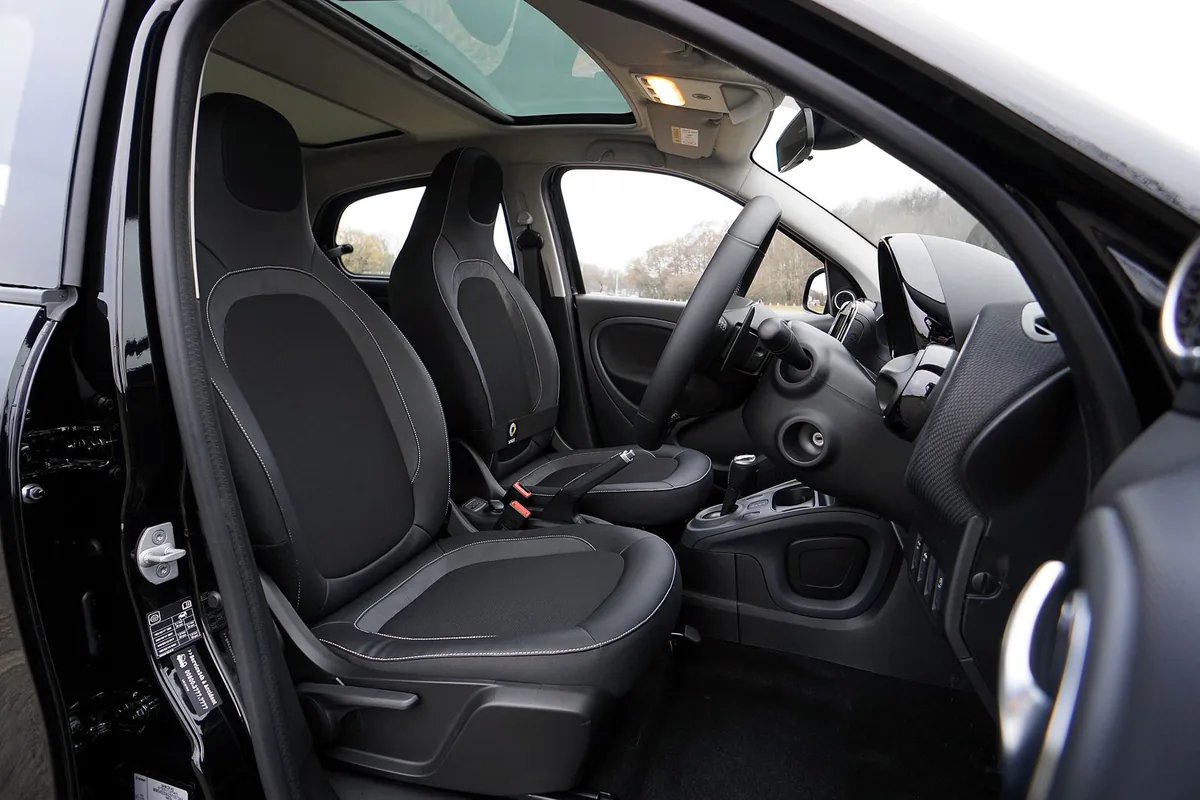
Vehicle biohazard cleanup is the safe removal and disinfection of blood, body fluids and other contaminants from the inside of a car, truck, van or bus. Cleaners treat the fluids as possible carriers of infectious germs.
When you need vehicle biohazard cleanup in Long Neck or across Sussex County, call Long Neck Biohazard Cleanup Help. Vehicle owners, rideshare drivers, rental companies, fleet managers and businesses can all get a cleanup team.
In Long Neck, summer heat bakes odors into foam, headliner and vents, which is why the source must be removed instead of masked. Vehicles that carried someone to Beebe Medical Center in Lewes often have blood or fluids on the seats, and cleanup can begin once everyone is safe.
What vehicle biohazard cleanup covers:
Nobody sits inside. The crew sets up protection and puts on gloves, eye protection and protective clothing.
Technicians wear full protective equipment and limit access to stop cross-contamination.
Contaminated parts that cannot be saved come out. Surfaces that stay are cleaned layer by layer.
The crew inspects each affected area, hauls away the waste and can provide notes for insurance claims.
Expect vehicle biohazard cleanup in Long Neck, DE to cost roughly $500 to $5,000, with the final price set after an on-site assessment.
Replacing seats, carpet or trim after removal is usually separate from the cleanup itself, so ask what the quote covers.
| Type of job | Typical range |
|---|---|
| Vehicle biohazard cleanup | $500 - $5,000 |
Published ranges only (BioCleaners Directory); every vehicle biohazard cleanup job in Long Neck is priced after an on-site look. Price drivers include type of interior materials, how serious the event was, time since the event, air system decontamination. Questions? Call (877) 812-4220.
Cleaners follow rules designed to protect workers and the public from bloodborne pathogens, including the OSHA Bloodborne Pathogens Standard, 29 CFR 1910.1030. They wear PPE and use EPA-registered disinfectants.
Often, yes. Crews can work in a driveway, garage or lot, depending on space, weather and the extent of the contamination. Some vehicles are moved to an enclosed space to keep the work private and contained.
A small spill on a hard surface can be cleaned with gloves, eye protection and an EPA-registered disinfectant. Do not do it with an open cut, and do not use the car until fluids that soaked into fabric are removed. For larger spills, call a cleanup team.
Call 911 first if anyone is hurt. Keep people and pets away from the vehicle, do not drive it, and do not wipe or spray the fluids. Take photos for insurance and note what the contamination touched.
Yes. A regular detail cleans dirt and stains with household products. Biohazard car detailing starts with decontamination, then moves to restoring the finish. Skipping the first step leaves germs and odor behind.
Ask who can release it before cleanup starts. Cleaners can usually begin once the vehicle is released to the owner or an authorized person. Ask the cleanup company about timing once the vehicle is released.
Calls are answered 24/7, and the job is planned on the call.
Call (877) 812-4220